Spotting the early sign of a leak
Across New Hampshire, a roof leak rarely appears out of nowhere. Homeowners start noticing small drips, damp spots on ceilings, or stains along interior walls after a rain. In many cases the issue isn’t a single broken shingle but a pathway created by aging sealant, clogged gutters, or damaged flashing. Our team at New Hampshire Micro-Mesh Gutter Guards sees these patterns every winter and spring as snow melts and rain returns.
Look for water trails along the ceiling near exterior walls or around chimney gaps. If you see oily or dark spots on insulation, that can indicate a moisture problem traveling from the attic into living spaces. Wood trim and drywall nearby may also feel warmer than surrounding surfaces during humid periods. These signs aren’t dramatic, but they’re reliable indicators that moisture is finding its way in.
What commonly causes these signals
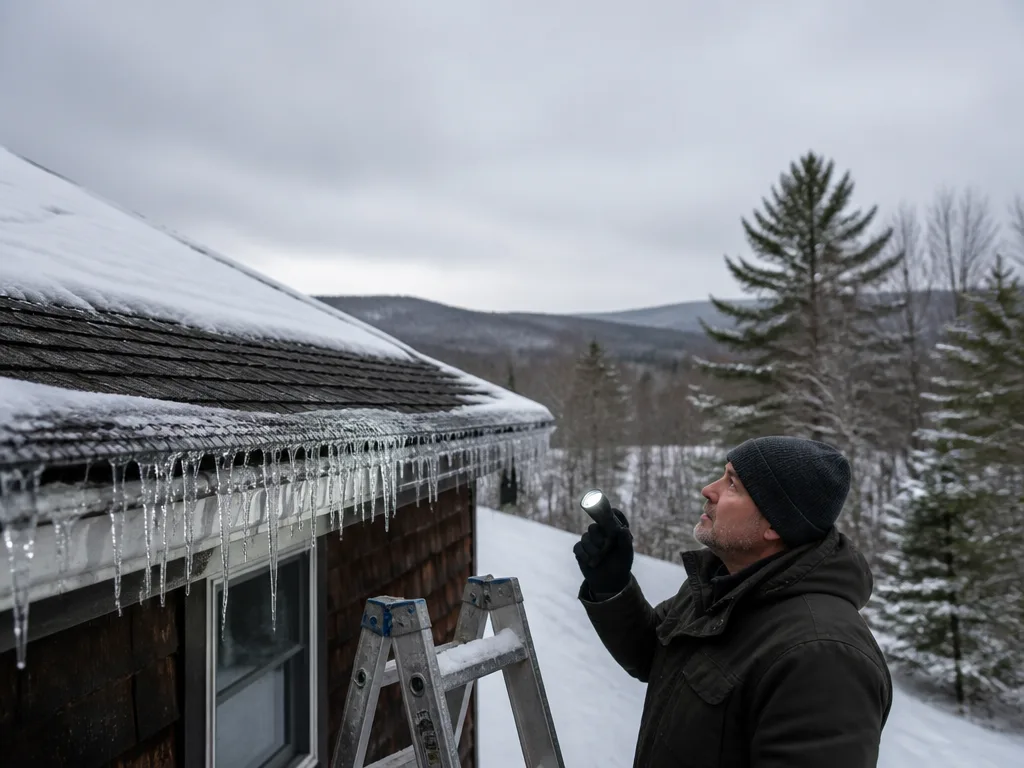
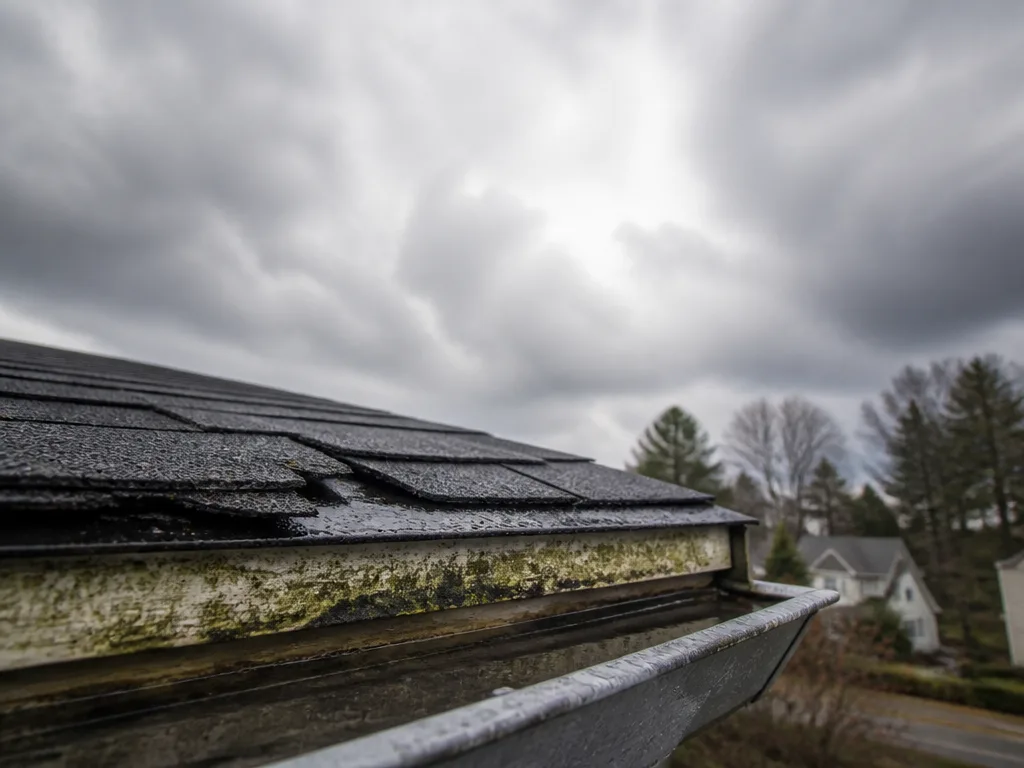
Common culprits are clogged gutters, missing or damaged shingles, and compromised flashing where the roof meets chimneys or vents. In New Hampshire, freeze-thaw cycles can widen hairline cracks and loosen fasteners. Attic condensation from improper ventilation can also mimic a leak from the attic side. A careful inspection by a roofer helps separate the possibilities and map a plan to fix them.
How a roofer would approach the issue
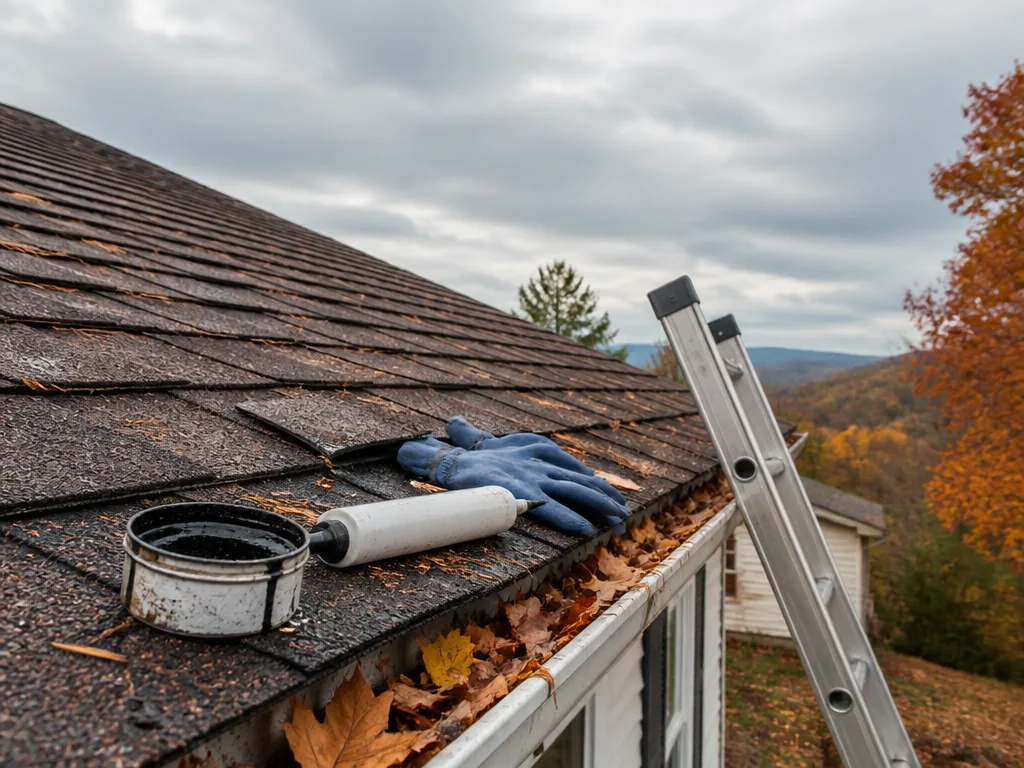
Our crews in New Hampshire start with a noninvasive exterior check, looking at shingles, flashing, and gutter connections. We’ll test for active leaks by tracing dampness from the roofline to interior signs. If moisture is found, we document the source and propose a practical repair. Typical fixes might include resealing flashing, replacing a few shingles, or adjusting attic ventilation to reduce condensation.
Practical steps you can take now
Clear debris from gutters to ensure proper water flow. If you notice a ceiling stain after a heavy rain, place a bucket under the area and avoid enabling mold growth by ensuring the space is ventilated. Schedule a professional inspection if the stain grows or you see active dripping. A thorough assessment by New Hampshire Micro-Mesh Gutter Guards helps identify whether the problem is localized or part of a larger roof or gutter system issue.
One concrete takeaway
Keep an eye on the roof near any joints, chimneys, or vents and note when leaks occur, especially after storms. Recording the timing and location helps a roofer pinpoint the path of water more quickly.